
Standout Songs:
Genre:
Label:
Year:
Date Reviewed:
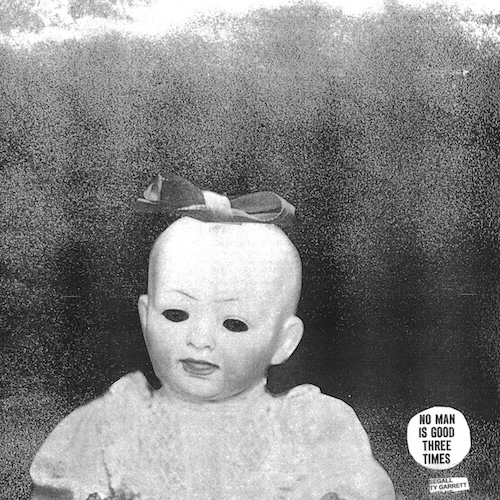
Since 2008, Ty Segall has established himself as garage rock's most reliable workhorse. You can confidently expect a yearly project from the man, sometimes multiple when you take into account all the other bands he's a part of. While most of his output is consistently lo-fi and subtly psychedelic, Segall does make attempts on occasion to give some records their own distinct sonic identifier. One such album really sticks out from the rest, and that's 2016's Emotional Mugger. In addition to the qualities previously mentioned, this fever dream of an album eschews traditional mixing tenets, conventional vocal decorum, and generally all manner of good taste. Segall really went off the deep end, indulging in some of his most absurd ideas. It was a huge risk, but ultimately resulted in his most memorable and thrilling record.
Emotional Mugger's surreal sonic identifier is propped up by three main characteristics. The first is Segall's chameleon, Jekyll and Hyde vocal performances. You're immediately hit with this on the first track Squealer, where he goes back and forth between soft, pillowy deliveries, and deep-fried croaks that sound reminiscent of Marilyn Manson. Sometimes the characters are incredibly exaggerated, like on Mandy Cream in which he puts on a nasally Eric Cartman-type inflection, that is if he grew up in the southern sticks instead of South Park, Colorado. Not every sound that comes from Segall is agreeable or offers comfort, but the shock value adds a novelty that is seldom achieved.
The second artistic choice is the consistent arrangement of two different drum performances. Segall specifically exercises a lot of creativity here. On tracks like Squealer Two, the drums are hard-panned left and right which highlights the subtle variations between the two performances. This approach is taken one step further on Candy Sam where the drums disorientingly flip from side to side. My favourite example of unorthodox drum mixing occurs once again on Squealer. For a majority of the track, we hear a dry, close-mic'd performance which locks in perfectly with the kooky, herky-jerky main riff. However, for the frenetic guitar solo that closes the track, we switch to a much roomier performance that enhances the sense of live freedom. The drums are such a fundamental component to any production, and changing their placement or tonal character mid song demonstrates an egregious lack of respect for the rules. It sounds unpredictable, dangerous, yet satisfyingly freeing.
Lastly, Emotional Mugger's production has two very contrasting modes. On one hand, the sound of the record can be quite dry, brittle, and cartoony given the cheap, 'farty' nature of some of the fuzz effects. However, we also have these suffocatingly heavy walls of fuzz that often dominate the stereo field. The way these guitars bring a decent amount of heft and thrill to their respective tracks is often what sells them. The best example of this contrast is on California Hills which initially alternates between smouldering verse passages and these brief, speedy guitar freakouts. Although, once we get to the chorus, the tempo slows to a crawl, melting into a hellish pile of sludge that would hold the same weight as the heaviest moments in Black Sabbath's catalogue.
These sonic characteristics lead to many great moments over the course of the record, however, Segall can't even adhere to his own constraints. On a couple occasions, he will break the album's mold to deliver some more surprising highlights. The first is an absolutely killer rendition of The Equals' Diversion. There's no contrast here, no fancy drum mixing, just thick, distorted guitars and a driving rhythm. We still get a unique vocal character from Segall, but the demented, almost robotic inflection he employs is unique to this particular track. Despite the track's heaviness, the weird vocals, and the swirling noises, Diversion is easily the most gratifying track.
The album concludes with The Magazine a surprisingly more measured tune anchored by a tight, dry drum groove and a steady bass pulse. Segall fills the void with a doubled falsetto that retires the zany vocal inflections from past tracks. There's no chorus, instead, ominously steadfast clapping passages separate the verses. It may not be a vocal hook, but the hand claps beg for your participation either way. As the song progresses, noise is gradually introduced; first starting with pitched distorted hums and later culminating in some frenzied slides all over the fretboard. It's still a very weird and off-putting tune, yet the madness has lapsed and now we're winding down from the chaos.
Ty Segall may have set a reliable precedent when it comes to his release schedule, but if Emotional Mugger teaches us anything, it's that you can't anticipate what a new project will sound like. By messing with the rock 'n' roll tradition and taking his music to truly grotesque territories, Segall has demonstrated that he's willing to entertain his wildest and most baseless ideas. Ten years later, it stands as Segall's most daring gamble.